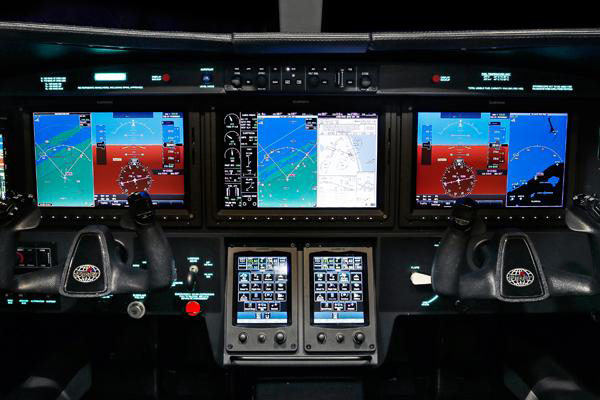
Synthetic Vision Synthetic Vision
Garmin Synthetic Vision Technology takes situational awareness to a new level, regardless of what you can or cannot see through the windshield. Acquiring information from multiple certified databases, synthetic vision graphically depicts obstacles, terrain, water, and airports, providing you with all of the information you require for safer travel. |
GTS 33ES + GTX 825 = ADS-B IN AND OUT
The standard GTX 33ES provides ADS-B out functionality. ADS-B In can be achieved by adding the optional GTS-825 Traffic Advisory System. The GTS-825 (ADS-B In) traffic systems provide a comprehensive traffic picture. It can track up to 75 targets within a 40 nm interrogation range. Additionally, spoken ATC-like aural alerts help manage your safe flight. |
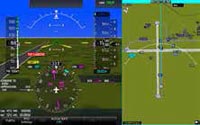 SurfaceWatch SurfaceWatch
SurfaceWatch provides aural and visual alerts to help the pilot maintain situational awareness and avoid potential runway incursions/excursions during ground and air operations in an airport environment. |
Underspeed Protection
Underspend Protection (USP) is an intuitive flight director function that reacts to underspeed conditions in a way that allows the autopilot to remain engaged, but prevents the airplane from stalling. |
 Wings Level Mode Wings Level Mode
By pressing the Level Mode button, the servos engage to bring the aircraft back into straight and level flight based on zero degrees roll angle and zero feet per minute vertical speed. |
Coupled Go-Arounds
With the USP, coupled go-around is possible without disengaging the autopilot. This feature keeps the autopilot engaged and will fly a missed approach. If power is not added, the USP system will maintain a speed just above stall warning, adjusting airplane pitch attitude as required. |
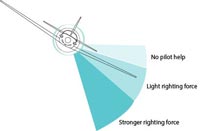 Electronic Stability Protection Electronic Stability Protection
ESP works as a soft barrier to keep the Piper M600 inside the preferred performance envelope by automatically engaging servos to slightly correct control surface positions when the aircraft exceeds one or more flight parameters, essentially encouraging it back inside optimal flight specifications. |
Hypoxia Recognition System with Automatic Descent Mode
With the autopilot engaged, Hypoxia Recognition detects pilot incapacitation by monitoring pilot interaction with the PFD, MFD, and Autopilot Controller at cabin altitudes above 14,900 feet. If no interaction is detected within a specified time period, after multiple prompts, the system will enter Automatic Descent Mode bringing the aircraft to a lower altitude in an effort to allow recovery from hypoxia. |